Here's our book of memoirs:
Cassette of Emotions
By: Manuel Andres, Daniel Solano and Agustina Deambrosi
Link if it didn't work: http://issuu.com/ManuelAndres95/docs/cassette_of_emotions/1
Thursday, September 27, 2012
Tuesday, September 25, 2012
First Impression Is What Counts
It really intrigued me how fast Blake Butler changes the mood in a matter of sentences. Reading the first few pages of Nothing gave me the idea that this memoir will unfold a story of the author that marked his life. The first few pages made a transition from happy and blissful moments to dull descriptions of his unconscious lifestyle. "Such kinds of aimless mental spin-all without an answer- is the kind so many nights that keep me up long after I lay down, stuck in inevitable fixation over nothing, pointless thinking." (pg 3) I quickly figure out that Butler tries to throw everything he's got about his troubles to the reader. This isn't the kind of books I pick up to read but I find change an interesting part of life. Therefore I have given myself the challenge to read something other than comedy or action. The formal writing compares well with its disturbed tone, giving the book a slight serious feel to it.
I find the topic of insomnia interesting because part of my family suffers from it. Learning more from it can be crucial to knowing how to deal with it hopefully what Butler will explain in Nothing. I am eager to read on to see if I'll learn new things. For now I'm sticking with this book. It looks like the only thing left to read is Nothing.
Monday, September 24, 2012
Punctuation ControlPunctuation Control
It looks like I have to be more careful when inserting a quotation into my passage. You never know what you might end up saying. Your message might be about saving the world but wrongfully putting a quote and bam, you are now against free speech. Okay, maybe a bit dramatic, but this is what I got out of Q As In Quotation. “From now on, another voice, a thinking significantly different from yours, will cast a shadow, making everything you’ve written so far as well as everything you will have to say in the future appear in a different light” (Q As In Quotation pg. 75). One must be careful when and what to add a quotation as in many times it can have a different perspective, ultimately contradicting what was previously intended. Analyzing something with a quotation can sometimes be harmful to the writer, giving the impression to the reader that the writer couldn't complete a profound analyzation of the passage.
I was surprised to find Survival of the Fittest not to be about evolution. Though after reading it thoroughly, I understood the intention of the title. As if going back to elementary with the dots and commas and semicolons, Nicholson Baker describes the history behind punctuation and its importance to language. "It even participates in those newer forms of emotional punctuation called "smileys" or "emoticons""(Survival of the Fittest pg. 2). As punctuation evolves, it still survives serving us the purpose to help clarify what is being portrayed at the reader.
These two essays relate with what we have been doing in class lately with quotation marks, paraphrasing and correct punctuation. It helps us become better writers because we start understanding our messages better and at the same time increasing our skills as speakers and writers.
I was surprised to find Survival of the Fittest not to be about evolution. Though after reading it thoroughly, I understood the intention of the title. As if going back to elementary with the dots and commas and semicolons, Nicholson Baker describes the history behind punctuation and its importance to language. "It even participates in those newer forms of emotional punctuation called "smileys" or "emoticons""(Survival of the Fittest pg. 2). As punctuation evolves, it still survives serving us the purpose to help clarify what is being portrayed at the reader.
These two essays relate with what we have been doing in class lately with quotation marks, paraphrasing and correct punctuation. It helps us become better writers because we start understanding our messages better and at the same time increasing our skills as speakers and writers.
Sunday, September 16, 2012
Falling Off A Cliff
"I'm standing in the doorway.
Okay.
I'm here."
*Turn the page*
Is that it? Is this the end? Noo!
But this blog entry won't finish like the book. Oh no.
Brent is finally living his life normally. He's seeing his friends again, staying at home and doing excellent progress. He is overall happy and seems to live his life with no problem. “Okay, so I can use my hands, arms, and legs. I can think. I can walk. I can talk. I’m fifteen. I’m alive. Life’s pretty good” (p. 292). Brent seems to reflect upon the bright side of his recuperation and not thinking about the negative aspects. It is clear that he has changed. With this change comes Brent's different emotions and the word choices the author makes to reflect upon this change. He even admits he has changed by stating that he doesn't belong anymore in the Children's Hospital when he came to visit them again. With this, Brent shows his confidence about going back to school even though he has some doubts. Though, his survival through psychologists, tutors and drug addicts in the final stages of his recuperation have carved him to a new man. "That feels so good. I'm going to be okay. I'm going to be okay." (p 318). His confidence at the end hints the reader that he is ready to confront his next challenge: Getting back to school.
I was shocked to find myself searching the book for more. I wanted more. I wasn't satisfied without knowing how Brent would survive Highschool, how he would confront problems and become a regular teenager. Having my hopes high, I hope Brent had a great experience in Highschool and became a different person learning from his mistakes. He deserves to have a great happy life. He fought for it and deserves the taste of success.
Okay.
I'm here."
*Turn the page*
Is that it? Is this the end? Noo!
But this blog entry won't finish like the book. Oh no.
Brent is finally living his life normally. He's seeing his friends again, staying at home and doing excellent progress. He is overall happy and seems to live his life with no problem. “Okay, so I can use my hands, arms, and legs. I can think. I can walk. I can talk. I’m fifteen. I’m alive. Life’s pretty good” (p. 292). Brent seems to reflect upon the bright side of his recuperation and not thinking about the negative aspects. It is clear that he has changed. With this change comes Brent's different emotions and the word choices the author makes to reflect upon this change. He even admits he has changed by stating that he doesn't belong anymore in the Children's Hospital when he came to visit them again. With this, Brent shows his confidence about going back to school even though he has some doubts. Though, his survival through psychologists, tutors and drug addicts in the final stages of his recuperation have carved him to a new man. "That feels so good. I'm going to be okay. I'm going to be okay." (p 318). His confidence at the end hints the reader that he is ready to confront his next challenge: Getting back to school.
I was shocked to find myself searching the book for more. I wanted more. I wasn't satisfied without knowing how Brent would survive Highschool, how he would confront problems and become a regular teenager. Having my hopes high, I hope Brent had a great experience in Highschool and became a different person learning from his mistakes. He deserves to have a great happy life. He fought for it and deserves the taste of success.
Thursday, September 13, 2012
Poop! Rats! Son Of A Biscuit!
I decided to analyze Runyon's word choice throughout the book. I could see the change of words every time his emotions changed. Sometimes they made me laugh, other times they made me feel the same way he was describing himself and some times I just sat there saying, "Calm down Brenner." Runyon changes his attitude and emotions very often ranging from being angry to being horny. In every change of emotions, Brent uses his 'vast knowledge' of vocabulary to describe himself and his feeling about things and people around him. I have also seen that he somehow always has this same emotion to specific topics or persons. Brent is always angry talking about his accident to psychologists or explaining what has happened. When he talks about girls or the nurses in his life he has a lusty mindset thinking about his fantasies with them. And finally he expresses his grief, though very little, when he figures out the pain he has created because of the accident. The emotions can be different from each other but the words Runyon expresses at each different moment don't always change.
"That shit really pisses me off. Jesus Christ. Don't fucking talk to me about that shit." (p 309). I have seen that Brent curses a lot when he is angry. Well who doesn't? I can say that that doesn't surprise me. Though it does surprise me that he decides to put so much in the text. Sometimes I just have to laugh at the spontaneous bad words thrown to the reader. "God that feels so good. Jesus. God, I'm getting such a boner. I hope the towel isn't sticking straight up. Is it sticking straight up? Jesus, it is." (p 250). The teenager's mind at work. The choice of 'God' and 'Jesus' shows the reader the embarrassment he has towards his horny thoughts on the masseuse. I have seen that Runyon uses 'Jesus' both when he is angry and when he is embarrassed or fantasizing. Though looking at the context, you can figure the meaning behind the word.
Runyon's choice of words are unique and simple. He shows the thinking of the teenager he was and the one I am. I feel I can relate with Brent through his story by the way he thinks, speaks and acts. It seems word choice can control things in many ways.
"That shit really pisses me off. Jesus Christ. Don't fucking talk to me about that shit." (p 309). I have seen that Brent curses a lot when he is angry. Well who doesn't? I can say that that doesn't surprise me. Though it does surprise me that he decides to put so much in the text. Sometimes I just have to laugh at the spontaneous bad words thrown to the reader. "God that feels so good. Jesus. God, I'm getting such a boner. I hope the towel isn't sticking straight up. Is it sticking straight up? Jesus, it is." (p 250). The teenager's mind at work. The choice of 'God' and 'Jesus' shows the reader the embarrassment he has towards his horny thoughts on the masseuse. I have seen that Runyon uses 'Jesus' both when he is angry and when he is embarrassed or fantasizing. Though looking at the context, you can figure the meaning behind the word.
Runyon's choice of words are unique and simple. He shows the thinking of the teenager he was and the one I am. I feel I can relate with Brent through his story by the way he thinks, speaks and acts. It seems word choice can control things in many ways.
Sunday, September 9, 2012
Medical Garments and What Not
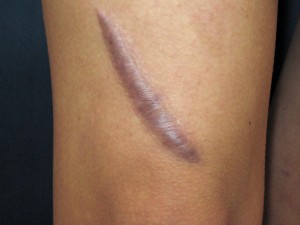
Jobst Garments: noun. Trademark for a type of pressure wrap applied to control hypertrophic scar formation or lymphedema.
Blanched: verb. To cause something to turn white or become pale.
Yammering: verb. To talk volubly and loudly.
Hypertrophic: noun. A nontumorous enlargement of an organ or a tissue as a result of an increase in the size rather than the number of constituent cells.
Inkblots: noun. Also known as the Rorschach inkblot test, it is a psychological test in which subjects' perceptions of inkblots are recorded and then analyzed using psychological interpretation, complex algorithms or both.
Yammering: verb. To talk volubly and loudly.
Hypertrophic: noun. A nontumorous enlargement of an organ or a tissue as a result of an increase in the size rather than the number of constituent cells.
Friday, September 7, 2012
Homecoming
Brent gets a chance to visit his home for the weekend. I expected Brent to feel nervous and negative about coming back to the site of the accident. Though Brent shows little emotion as he passes the bathroom. "The thing about being here, the strange thing about being here, is that I hardly ever think about what happened. I mean, I'm sleeping in the room right next to where everything happened, but I'm not even thinking about it." (p. 197) Brent feels confortable being back home even if it is for a few days. Though he is not confortable with himself. He is still self-conscious and finds it difficult to accept his true image. Even confronting people he knows while looking the way he does. "Just walking into a video store, but God, I just thought of something---what if I see someone I know. That would be terrible" (p. 203)
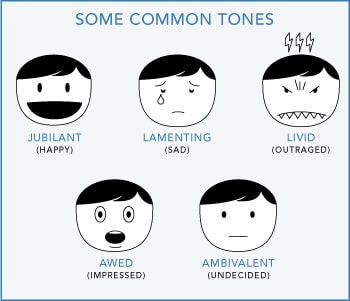
Runyon describes himself as being confortable and confident being back home. Despite his memories of that place he finds it nicer than the Institue. It seems he plays around with the choice of tone. There are parts in which he has an irritated tone: "They're both hugging me, but I didn't want this. I wanted to do something nice, but I didn't want all those tears. God, that's the last time I do something like that."(p. 203) a regretful tone, such as those explained in my previous blogs, and now, during his stay at home, a confident tone: “You would think I would be thinking about those things, but I’m not.” (p. 197)
My prediction of Runyon's change of tone correct. I closely looked how and when he changes it. Now all I have to do is pinpoint what tone he will use for Brent's true homecoming.
Runyon describes himself as being confortable and confident being back home. Despite his memories of that place he finds it nicer than the Institue. It seems he plays around with the choice of tone. There are parts in which he has an irritated tone: "They're both hugging me, but I didn't want this. I wanted to do something nice, but I didn't want all those tears. God, that's the last time I do something like that."(p. 203) a regretful tone, such as those explained in my previous blogs, and now, during his stay at home, a confident tone: “You would think I would be thinking about those things, but I’m not.” (p. 197)
My prediction of Runyon's change of tone correct. I closely looked how and when he changes it. Now all I have to do is pinpoint what tone he will use for Brent's true homecoming.
Thursday, September 6, 2012
That Change
I was previously studying Macroeconomics and I couldn't help but notice how Brent's recovery and confort reflected on the Law of Demand. We have to variables, price and quantity demanded. In Brent's place we have recovery and confort. Law of Demand states that as price rises, quantity demand falls and vise versa. It seems to be the same for Brent, as recovery rises his confort falls. I just had to laugh at that. It seems strange how Brent's confort decreases even though he is making great progress with his recovery. There might be factors such as the change from the Children's Hospital to the duPont Institute. It might be he is more self-conscious of his actions and appearance. "At the Children's, I got really used to people seeing me naked, I didn't care who it was, Tina, Lisa, Barbara, even Reggie and Calvin, but here I feel a little self-conscious."(p. 150) Changing the way Brent feels at the moment, the choice of words and tone seem to have too.
Runyon has inserted much more regretful tone. Even before his transfer from the Children's Hospital, Brent had started to reflect upon his actions and thus changing the author's tone. Description of his sorrow and his anger with himself are all examples of how Runyon expresses regret into the story. “Someone who could jump into your body just when you were about to make the biggest mistake of your life and keep you from doing it. That would be great. That would be amazing. I wish that was true.” (p. 149)
I wonder if Runyon will change the tone at the end of the book. Until then I'm going to take a closer look at Brent's recovery and confort and see if that changes too. Lets see if he can set aside that Law of Demand that is currently holding him back.
Runyon has inserted much more regretful tone. Even before his transfer from the Children's Hospital, Brent had started to reflect upon his actions and thus changing the author's tone. Description of his sorrow and his anger with himself are all examples of how Runyon expresses regret into the story. “Someone who could jump into your body just when you were about to make the biggest mistake of your life and keep you from doing it. That would be great. That would be amazing. I wish that was true.” (p. 149)
I wonder if Runyon will change the tone at the end of the book. Until then I'm going to take a closer look at Brent's recovery and confort and see if that changes too. Lets see if he can set aside that Law of Demand that is currently holding him back.
Sunday, September 2, 2012
Farewells
It's hard to say goobye. There will always be the day where you'll have to end a chapter in your life. The time has come for Brent. After spending more than four months in the Burn Unit in the hospital, he was ready to move on, or was he? He started depicting the hospital as his home as he started to feel more and more confortable with the place and the people. "I don't know, I got used to everything and everyone, it seems like my home here now. I know this sounds crazy, but I don't really want to leave, I really don't." (Page 137). You could see how everything and everyone changed him while he was in the hospital. He showed how comfortable he had become. Though life is full of changes and one has to accept that.
You could say I'm pretty much of an expert on change. Living in eight different countries, moving every two years, and studying in five other schools has given me a taste of change. When people ask me how I can simply go away to a different country and start all over again I say it's normal for me. I was brought up that way and I have never actually fought with my parents for staying and settling down. Though I have now grasped the importance of settling down these past years as I lean closer to independence. Deciding to graduate here in Colombia has almost been my final choice but you never know. I too have felt Brent's unhappiness to leave a special place behind. It was a shock for me to leave from Italy to Colombia after having stayed three and a half years (the longest) there with friends and family so close. I had made myself confortable like Brent has, making friends and memories. But when every chapter closes another one opens.
Saturday, September 1, 2012
Metacognition
Has Brent finally accepted his mistake? Advancing further into Runyon's recovery, he finally talks about his feelings toward his suicide attempt. Ultimately giving up on his excuses of why he did it he finally regrets his decision of hurting himself, as well as his family. "I kept thinking about it. I was in the bathroom and I had the gas can and the matches and I sat on the toilet. That's when I should've stopped it." (Page 105). His first signs of regret. This shows he is ready to accept his mistakes and carry on with his life learning from his mistakes. Though it still seems he is not yet ready to leave that part of him go. He plays the senario over and over again playing different scenarios of how that day could of played out. "I could have taken it off and gone back outside to play basketball with Craig... I could of just lit a little part of me on fire." (Page 105). Though we all live in the third dimension where time is continuous, a trip to the fifth dimension is what he needed.
I too have regrets. Getting in trouble with people, having fights and even making choices about what I should've eaten to not make me sick later. All those experiences had made me stay awake at nights thinking how it could've gone if I had done this or said that. As the times of mischievous Manuel have passed, I don't have to worry about getting into trouble for doing something bad or affecting myself or someone for acting out. Though now, as I have grown and matured, I spend sometimes wondering how an action would've affected my grades in classes and tests, more importantly in the PSATs and more important life decisions.
Brent, being only fourteen years old, might have not grasped the fundamental importance of how hurting one self can severely impact the future. Now having finally understood that his decision of hurting self was unwise, he will be thinking of recovering and learning from his mistakes. Maybe after all living in the fifth dimension wouldn't be that bad.
I too have regrets. Getting in trouble with people, having fights and even making choices about what I should've eaten to not make me sick later. All those experiences had made me stay awake at nights thinking how it could've gone if I had done this or said that. As the times of mischievous Manuel have passed, I don't have to worry about getting into trouble for doing something bad or affecting myself or someone for acting out. Though now, as I have grown and matured, I spend sometimes wondering how an action would've affected my grades in classes and tests, more importantly in the PSATs and more important life decisions.
Brent, being only fourteen years old, might have not grasped the fundamental importance of how hurting one self can severely impact the future. Now having finally understood that his decision of hurting self was unwise, he will be thinking of recovering and learning from his mistakes. Maybe after all living in the fifth dimension wouldn't be that bad.
Subscribe to:
Comments (Atom)